

Horse Racing Not Blocked by Tradition – A Modern Perspective

Horse racing has long been regarded as one of the world’s most exhilarating sports, combining speed, strategy, and sheer power. While it has deep-rooted traditions, the industry continues to evolve. This evolution is sometimes in conflict with age-old customs, but it is essential for keeping the sport vibrant and relevant. One aspect of the evolution in horse racing is the increasing collaboration with organizations such as horse racing not blocked by GamStop Merseyside Mounted, which highlights the importance of community engagement and support for horse welfare.
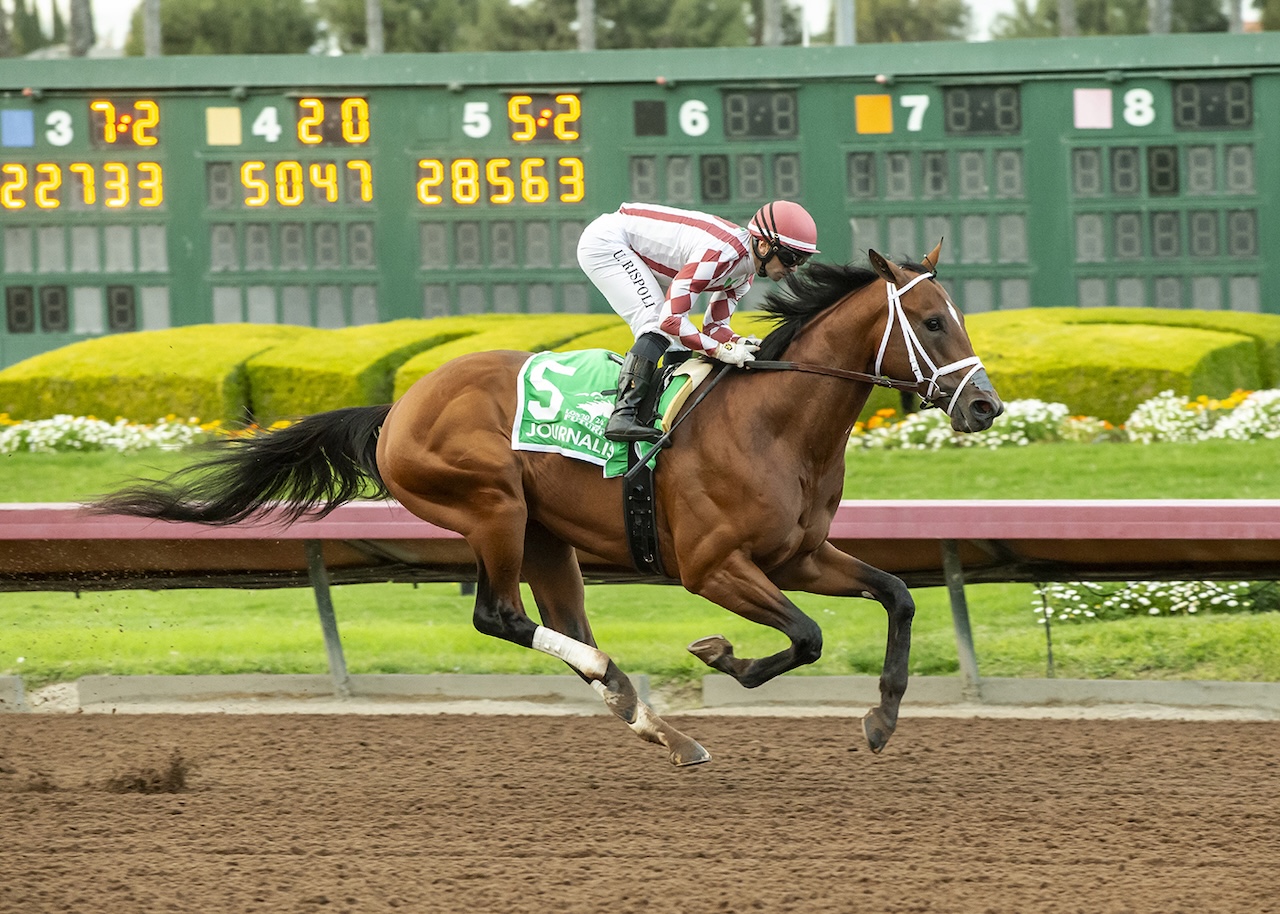
The history of horse racing can be traced back to ancient civilizations, where chariot races were prominent in cultures as diverse as the Greeks, Romans, and Egyptians. Today, racing takes many forms, including flat racing, jump racing, and harness racing. Each variant has unique appeal, yet all share common elements of competition and crowd engagement. However, as the world changes, so does the audience—and horse racing must adapt accordingly.
One significant change is the way horse racing is perceived by younger generations. The traditional image of a day at the races, complete with fancy hats and champagne, may no longer resonate with today’s youth, who are often more focused on technology and digital experiences. To address this, many racetracks have begun enhancing their offerings by incorporating modern amenities, interactive experiences, and technology into their events.
For instance, some events now feature live streaming and online betting options, allowing racing enthusiasts to engage from the comfort of their homes. This move towards digitization not only caters to tech-savvy audiences but also aims to broaden the appeal of horse racing, drawing in those who may not have considered attending a live event in the past.
Moreover, the industry is making significant strides toward inclusivity. Recognizing the need to diversify the sport, many racing organizations are working to create environments that are welcoming to people of all backgrounds. Initiatives aimed at increasing female participation in racing, whether in ownership, training, or jockey roles, exemplify this trend. These efforts not only enrich the horse racing community but also help to break down long-standing barriers within the sport.
Another focal point in modern horse racing is the welfare of the horses themselves. With increasing scrutiny from both the public and animal rights organizations, racing bodies are prioritizing the health and well-being of their equine athletes. This includes implementing stricter regulations regarding medication, improving training facilities, and ensuring that horses are retired with proper care plans. Such measures not only enhance the sport’s reputation but also address ethical concerns that have arisen in recent years.
Betting remains a crucial part of the horse racing experience, yet it too has undergone a transformation. Traditional parimutuel betting methods are complemented by digital platforms that provide a range of betting options and real-time data analysis. Additionally, partnerships with mobile applications have made it easier for fans to place wagers, follow races, and stay informed about their favorite horses and jockeys. These innovations attract a younger audience and revitalize interest in horse racing, showing that the sport is willing to adapt and grow.
In essence, the world of horse racing is at a pivotal crossroads. Tradition still holds significant value; however, it must coexist with innovation and modernization if the sport is to thrive in the future. This balance is essential to keeping the sport relevant and attractive to new generations. By recognizing the changing landscape and responding with agility, horse racing can bridge the gaps that have emerged and ensure its survival for years to come.
Regional festivals and events have also contributed to the sport’s evolution. Themed race days, community outreach programs, and educational initiatives aimed at schools have expanded the demographic profile of racing fans. Innovative marketing strategies, such as celebrity appearances and influencer partnerships, have also reinvigorated the image of horse racing, making it more accessible and appealing to a wider audience.
As we look to the future, it’s vital for the horse racing industry to remain vigilant and proactive. Engaging with fans and communities beyond the racetrack is essential. Building partnerships with organizations concerned with animal welfare and supporting local

initiatives can strengthen the bond between the sport and its audience. The inclusion of educational programs about horse care and training fosters greater awareness and appreciation for the animals at the core of the sport.
In conclusion, horse racing is not merely a remnant of the past; it is a dynamic sport that is actively reshaping its identity. By embracing modern influences and responding to the demands of contemporary society, the racing community can create a thrilling experience that honors tradition while paving the way for future generations. The industry must continue to innovate and evolve, striking a delicate balance between preserving historical significance and embracing change. Horse racing, as it stands today, is not blocked by tradition—it is energized by it, pushing forward into a vibrant future.
